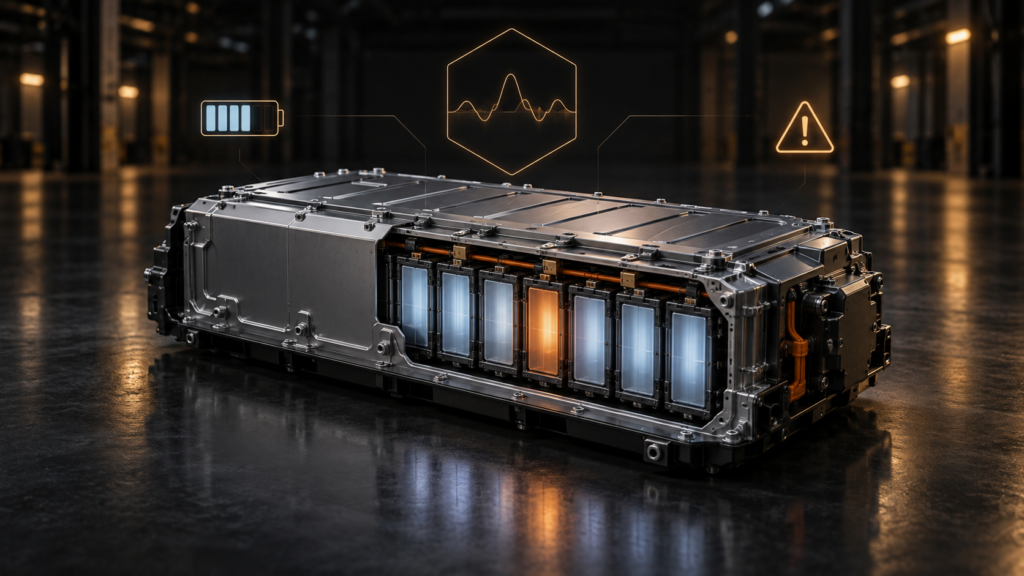

Introduction: Prius battery life is one of the first things workshops, fleet managers, resellers, and import buyers ask about. The short answer is that there is no single expiry date, but a Prius pack is built for long service, and replacement demand usually rises as vehicles age, heat exposure builds, and testing starts to show uneven performance. For business buyers, the real question is not only lifespan. It is also how to forecast replacement cycles, secure tested stock, and keep jobs moving without delay. That is where a steady hybrid battery supply partner in the UAE can make day-to-day operations much easier.
Key Takeaways
- Prius battery life has no fixed end date and varies by age, heat, use, and testing results.
- Toyota gives newer hybrid battery warranty coverage up to 10 years or 150,000 miles.
- For workshops and fleets, replacement planning matters more than guessing one universal lifespan.
- Voltage testing tells buyers far more than visual condition alone.
- Heat, long storage, and irregular use can affect pack condition over time.
- Commercial buyers should plan stock by model, generation, quantity, and lead time.
- Sharjah-based UAE inventory can help with fast pickup, repeat orders, and export support.
How long do Prius hybrid batteries usually last?
A Prius battery can last for many years, but there is no single number that fits every vehicle. For business planning, it is smarter to treat battery life as a range shaped by age, mileage, climate, and test results.
A common search is how long does a hybrid battery last in a Prius. The most honest answer is that a pack can stay in service for a long time, yet replacement demand becomes more likely as vehicles get older and workshops begin to see more condition-related issues during inspection.
That matters for commercial buyers. A workshop does not wait for every pack to fail outright. It watches incoming vehicle age bands, repeat fault patterns, and stock movement. A distributor or fleet team does the same. Lifespan is not only a technical topic. It is a purchasing and service-planning topic as well.
What does Toyota’s warranty tell us?
Toyota’s warranty gives a strong durability reference, but it is not the same as a guaranteed failure point. It helps buyers set a practical monitoring window for aging Prius vehicles.
According to Toyota, hybrid battery coverage for 2020 model year and newer hybrid vehicles is 10 years from first use or 150,000 miles, whichever comes first. Toyota also stated in the Toyota pressroom that it extended this battery warranty term for 2020 model year hybrid, plug-in hybrid, and fuel cell electric vehicles.
For workshops and fleets, that warranty window is useful because it shows the manufacturer expected a long service life. It does not mean every pack stops working at the same point. It does mean buyers should pay close attention to stock planning as vehicles move deeper into older age groups.
Why do workshops and fleets care about lifespan windows?
They care because battery demand shows up before total failure becomes common. Repair schedules, customer expectations, and vehicle downtime all depend on having replacement stock available when needed.
That is also why the broader question how long do hybrid car batteries last matters in commercial buying. A repair shop needs enough inventory for likely jobs, not just one emergency replacement. A fleet team needs forecast accuracy, not guesswork. A reseller needs repeatable sourcing from a supplier that can confirm availability fast.
What affects Prius battery lifespan the most?
Age, heat, usage pattern, storage history, and pack condition all have a major effect. No two vehicles age in exactly the same way, even when they share the same model.
When buyers ask how long does a hybrid battery last, they often want one clean number. In practice, that number changes with operating conditions. A pack used often and monitored well may behave very differently from one that spent long periods parked in high heat.
Does mileage matter more than age?
Both matter, and neither should be viewed alone. A lower-mileage vehicle is not always the safer bet if it sat unused for long periods.
Workshops often look at vehicle age first because battery-related demand tends to rise as cars get older. After that, they check mileage, service history, and how the car was used. For fleets, age bands can be the simplest way to forecast future demand. For resellers, age plus condition testing gives a better picture than mileage alone.
Does climate make a difference?
Yes, climate can make a real difference. High heat can place more stress on a battery pack over time.
This is one reason UAE buyers often place extra value on testing and stock transparency. In a hot region such as Sharjah and the wider UAE, workshops and fleet teams want more than a basic visual check. They want proof that stock was inspected, voltage-tested, and stored with care before pickup or shipment.
Do short trips and long parking periods matter?
Yes, they can matter a lot. Consistent vehicle use is often easier on a pack than long periods of inactivity mixed with heavy demand.
Cars that sit for long stretches may still look fine from the outside, yet their pack condition may not match buyer expectations. This is why commercial sourcing needs a process, not guesswork. Requesting the model, generation, quantity, and voltage requirement before quoting is a practical way to reduce mismatches.
What does a practical Prius lifespan table show?
It shows that battery life follows patterns, not rules. Buyers should use these patterns for planning, then confirm actual condition with testing.
Table: Common Prius usage patterns and how they can affect replacement planning
| Usage pattern | Likely effect on pack condition | What a buyer should do |
|---|---|---|
| Daily use with stable service history | Condition may remain more predictable over time | Monitor age band and test results before ordering |
| High-heat urban driving | Extra thermal stress can raise replacement risk sooner | Prioritize tested stock and faster availability |
| Long storage or irregular use | Condition may be less predictable than mileage suggests | Request voltage checks and confirm suitability carefully |
| Older vehicle with steady use | Demand often rises as the car ages even if still running | Plan stock before peak failure periods |
| Mixed fleet with several Prius generations | Replacement needs can vary by model and year | Separate procurement by generation and quantity |
How can workshops tell when a Prius pack is nearing replacement?
They do not rely on one sign alone. They look at testing results, vehicle age, customer complaints, and whether the pack still performs consistently under real use.
For commercial buyers, the key point is simple: replacement planning should start before supply becomes urgent. If workshop demand is rising for older Prius models, it often makes sense to secure stock early rather than wait for a rush.
Why does voltage testing matter so much?
Voltage testing gives buyers a clearer view of condition than appearance alone. It helps separate usable stock from uncertain stock.
This is where a specialist supplier matters. Hybrid Hive positions itself as a Sharjah-based B2B source for Japanese-sourced battery stock that is checked, voltage-tested, and kept ready for warehouse pickup or shipment. For distributors, workshops, importers, and fleet teams, that process lowers friction and helps support repeat purchasing.
It also supports better stock consistency. Commercial buyers do not just need parts. They need confidence that incoming units were checked in a repeatable way and can be matched to real job demand.
Why do business buyers avoid appearance-only assessments?
Because a clean-looking case does not prove usable condition. Commercial purchasing needs more certainty than a quick visual pass.
If your team depends on repeat stock access, it makes sense to work with suppliers that focus on tested hybrid batteries for high-demand Toyota and Lexus applications. That is especially relevant for Prius, Aqua or Yaris, Camry, and RX Hybrid demand, where workshops often need fast availability confirmation instead of slow one-off sourcing.
Hybrid Hive also presents useful commercial proof points for this kind of buying model, including more than 140,000 batteries supplied or processed, more than 300 bulk orders supported, and a 4.9 positive review signal. Those details matter because lifespan planning is only half the job. Order fulfillment and repeat stock access matter just as much.
What does replacement planning look like for fleets, resellers, and workshops?
It looks like a stock forecast, not a last-minute scramble. Buyers group vehicles by model, generation, age, and likely service demand, then match that demand to supply lead times.
For a workshop, that may mean watching monthly Prius inquiry volume. For a fleet, it may mean separating vehicles that are moving past key warranty or age windows. For a reseller or importer, it may mean keeping a buffer of high-demand pack types ready for repeat customers.
Which questions should buyers ask before placing a bulk order?
They should ask about model fit, generation, quantity, voltage requirement, stock availability, pickup, shipment, and alternatives. Clear ordering details reduce delays and mismatches.
Hybrid Hive’s stated process reflects the kind of structure commercial buyers want. The customer sends the vehicle model, generation, quantity, and voltage requirement. Stock is checked quickly, availability is confirmed, a quotation is prepared, and alternatives are suggested if needed. After payment confirmation, the order is arranged for warehouse collection or shipment.
That process matters because it turns lifespan demand into a workable supply flow. A business does not benefit from knowing replacement timing if the sourcing path is vague.
What shows that a supplier is ready for repeat commercial demand?
Fast stock checks, transparent quotations, large inventory, and shipment support are all strong signs. A dependable supplier should make repeat ordering simple and predictable.
UAE warehousing is also useful. It can support quick local collection while still helping international buyers who need export-ready stock. For business teams that want to review current site status, Hybrid Hive also has a Website Under Construction note on its site, which suggests more web resources are still being added.
What does a simple procurement planning table look like?
It usually links stock action to real operating signals. That helps buyers move from theory to purchasing decisions.
Table: Example replacement-planning triggers for Prius-related battery demand
| Business situation | Suggested stock action | Reason |
|---|---|---|
| Workshop sees rising Prius battery inquiries | Increase tested stock for common generations | Reduces wait time for active repair jobs |
| Fleet vehicles move into older age bands | Set a forecast by unit count and service schedule | Helps avoid downtime and rushed orders |
| Distributor serves several Toyota hybrid models | Split orders by model and demand speed | Improves inventory mix and sell-through |
| Importer wants consistent monthly supply | Use repeat-order planning with availability checks | Supports continuity instead of one-time buying |
| Buyer needs export shipment from the UAE | Confirm packaging, quantity, and lead time early | Helps keep the shipment flow smooth |
How should buyers compare lifespan, sourcing, and cost?
They should compare all three together. A cheaper unit is not always the better buy if testing, condition, and repeat availability are weak.
This is where hybrid battery lifespan becomes a procurement issue, not just a technical one. If a workshop buys uncertain stock, the real cost may show up later through returns, delays, or lost customer trust. If a fleet cannot get fast replacements, downtime may cost more than the pack itself.
That is also why Japanese sourcing can matter when handled well. Hybrid Hive states that its stock is sourced through trusted partners in Japan, including dismantlers and dealership-related or certified supply channels, often from low-mileage vehicles, then brought into its UAE supply network for dual inspection and voltage testing. For a commercial buyer, that gives useful sourcing transparency rather than vague trading language.
Why does UAE stock matter for local buyers and export customers?
Because local inventory can shorten response time and make collection or shipment easier to arrange. It adds practical speed to the supply chain.
Sharjah-based stock helps workshops, distributors, and fleet teams confirm availability fast. It also supports international orders when buyers need shipment from a UAE warehouse rather than uncertain overseas timing. That matters most when demand is tied to active repair work and service continuity.
Summary
Prius battery life is long, but it is never identical from one vehicle to the next. Age, heat, storage history, and tested condition all shape when replacement demand starts to rise. For workshops, resellers, importers, and fleet teams, the smart move is to plan around demand windows, not wait for urgent failures. When comparing hybrid battery price, it also makes sense to weigh testing, stock depth, sourcing transparency, and repeat-order support. That is where a Sharjah-based B2B supplier like Hybrid Hive can fit naturally into a stronger procurement process.
Frequently Asked Questions
Find answers to common questions about our hybrid battery supply, ordering process, and delivery options.
Yes, it can. A warranty gives a coverage term, not a fixed failure date, so some packs may remain serviceable beyond that window while others may need closer monitoring earlier.
Both matter. Age often helps buyers group future demand, while mileage and testing help refine decisions for each vehicle or stock lot.
They want to reduce downtime and avoid rushed purchasing. Early planning also helps them match stock levels to vehicle age bands and service schedules.
Yes. Condition checks and voltage testing help buyers avoid appearance-only decisions and improve confidence in the stock they are receiving.
Yes, if the supplier has warehouse stock, clear quotations, and shipment support. That setup can help both local buyers and overseas customers manage repeat commercial orders more smoothly.