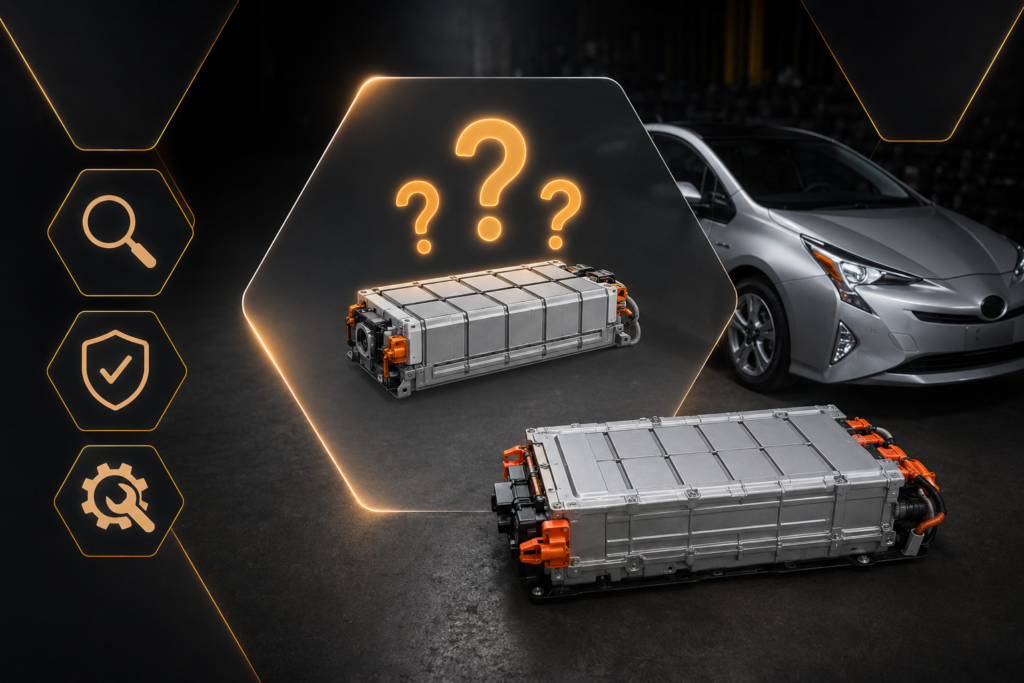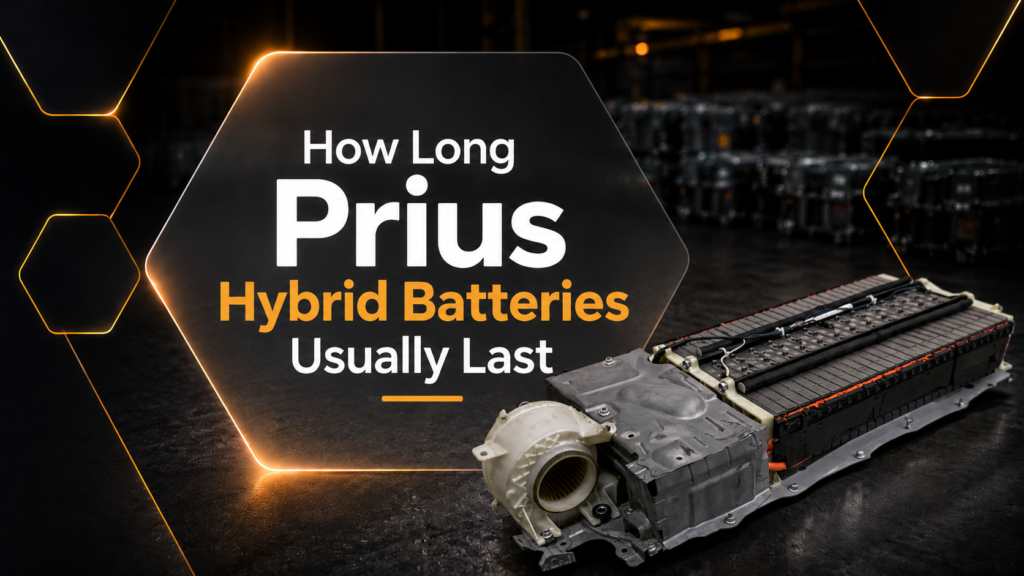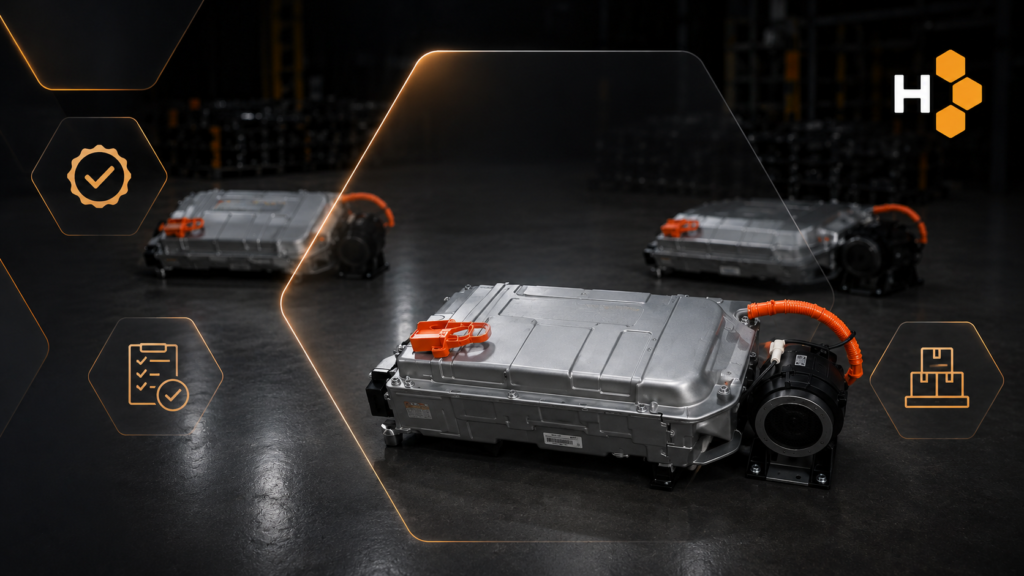

Introduction: Asian battery production is shaping how Middle East buyers source stock in 2026. For distributors, workshops, importers, and fleet teams, the key issue is not just volume. It is steady access to tested, business-ready units for fast-moving models. That is why the regional shift matters: when Asian output changes, Gulf supply, lead times, and quoting patterns move with it. In the UAE, a Sharjah-based supplier such as Hybrid Hive sits close to that change, linking Japan-sourced inventory, warehouse stock, and export support for commercial buyers that need hybrid battery supply they can plan around.
Key Takeaways
- Asia-Pacific still drives battery output and supply direction.
- Japan remains important for tested, model-specific stock.
- New Indonesia production may affect Gulf availability from late 2026.
- UAE warehouse stock can reduce wait times for repeat buyers.
- Voltage testing and condition checks matter more than headline volume.
- Middle East buyers need supply partners, not just one-off sellers.
Why is Asia still setting the pace for Gulf battery supply?
Because much of the world’s battery making capacity remains in Asia-Pacific. That gives Asian producers strong influence over availability, shipment flow, and sourcing options for the Middle East.
According to the IEA, Asia-Pacific remains the main center for battery manufacturing and related processing. That matters in the Gulf because importers do not buy in a vacuum. They buy from a chain shaped by factory output, regional trade routes, and stock held by trusted suppliers.
For the UAE market, this means buyers often see the effects in three ways. First, common models tend to get better stock flow. Second, supply timing improves when upstream production is healthy. Third, pricing becomes easier to quote when supply routes are stable, even if each order still depends on test results, condition, and model demand.
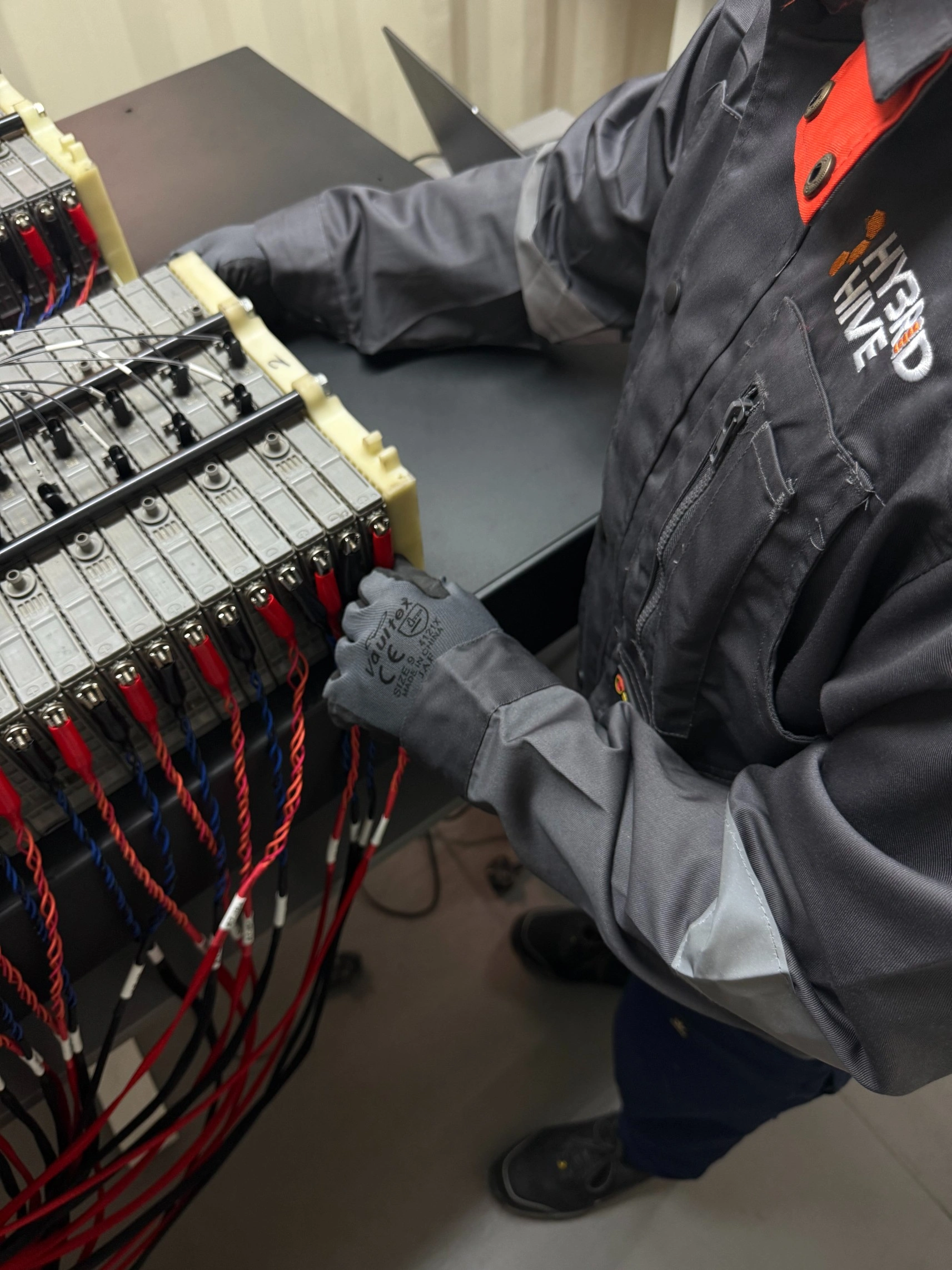
This is also why B2B buyers think differently from casual retail customers. A workshop or reseller is not looking for a single unit alone. It wants repeat purchasing, known condition, and less downtime. That commercial need is where Hybrid Hive has built its role in Sharjah. The company focuses on wholesale supply, with Japan-sourced stock checked through inspection and voltage testing before warehouse pickup or shipment.
What does Asian concentration mean for buyers in the UAE?
It means sourcing decisions in Asia can quickly affect stock options in the UAE. Buyers who depend on repeat orders need partners that can translate those shifts into clear availability and fast quotes.
When production, dismantling channels, and export programs are centered in Asia, UAE suppliers become a practical bridge. They can hold inventory locally, confirm fitment faster, and support both pickup and outbound shipping. That reduces friction for distributors and fleets that cannot pause operations while they search unit by unit.
Hybrid Hive’s business model fits that need. It is aimed at commercial buyers that care about model coverage, repeat-order support, and tested stock for high-demand applications such as Toyota Prius, Toyota Aqua or Yaris, Toyota Camry, and Lexus RX Hybrid.
Table: What major Asian supply shifts can mean for Middle East buyers in 2026
| Supply shift | What it can change | Why Gulf buyers should care |
|---|---|---|
| Strong Asia-Pacific battery output | More stable upstream availability | Better odds of regular stock flow for common hybrid models |
| Japan-linked sourcing channels | Good access to low-mileage dismantled units | Useful for workshops and resellers that need proven, tested inventory |
| New Southeast Asian production capacity | Broader sourcing choices over time | May improve supply flexibility as 2026 progresses |
| UAE warehouse-based distribution | Faster local confirmation and dispatch | Helps fleets, importers, and traders manage lead times with less risk |
How does Japanese sourcing still matter as Southeast Asia grows?
It still matters because buyers want known-condition stock for real vehicle demand, not just new factory headlines. Japanese channels remain valuable for popular hybrid models that already have strong service demand across the Middle East.
Hybrid Hive states that it sources through trusted partners in Japan, including dismantlers and dealership-related or certified supply channels, often from low-mileage vehicles. For B2B buyers, that matters because source quality affects inspection outcomes, stock consistency, and customer confidence after sale.
There is also a practical reason. Many Gulf workshops and traders need inventory for vehicles already on the road, not only for newly produced packs. That keeps Japan relevant in the market for tested used batteries that are suitable for commercial resale or workshop installation after proper checks.
Why do tested units matter more than raw volume?
Because volume without condition control creates risk. A buyer can only sell, fit, or export stock that passes basic checks and matches the job requirement.
Hybrid Hive’s process reflects that. Buyers send the vehicle model, generation, quantity, and voltage need. The company then checks stock, confirms availability, prepares a quotation, suggests alternatives if needed, and arranges pickup or shipment after payment confirmation. That process is simple, but it is important. It shows organized supply rather than vague trading.
In commercial buying, the risk is rarely the first sale. The real risk is the second and third order. If condition varies too much, the relationship breaks. That is why dual inspection, voltage testing, and stock discipline often matter more than a flashy headline about market growth.
What do workshops and distributors usually ask first?
They usually ask about fitment, condition, quantity, and speed. They want to know what is ready now and what can be sourced again next week or next month.
That is where service consistency beats noise. A reseller may need ten units this week and twenty more later. A fleet maintenance team may need planned stock for several vehicles with the same platform. A workshop may simply want to avoid delays on a booked job. In those cases, a clear path for car battery replacement support makes day-to-day work easier, especially when the supplier can confirm available options quickly.
Why will the Toyota and CATL Indonesia move matter in late 2026?
It matters because new export-focused production can widen supply options. When a major automaker and a major battery company increase production capability in Indonesia, nearby markets pay attention.
In the TMMIN Newsroom announcement, Toyota Indonesia said it is partnering with CATL to strengthen electrified vehicle battery production capabilities. For Middle East buyers, that development is relevant because later 2026 export activity from Indonesia could influence future availability patterns for popular electrified models.
This does not mean every buyer will suddenly switch sourcing routes. Japan remains deeply important for tested stock, especially in the used parts trade. However, added Southeast Asian capacity can give importers and distributors more room to compare lead times, sourcing windows, and product flow as the year moves forward.
That broader supply picture is good news for businesses that support electric hybrid cars across the Gulf. As the vehicle base grows, buyers need more than one channel. They need a mix of dependable sourcing, local stock holding, and realistic shipping support.
Could this change quoting and planning in the GCC?
Yes, it could. More supply routes can make quoting easier and reduce pressure when one channel tightens.
For UAE-based wholesalers, that may mean better flexibility when one model is short in a given month. It may also support steadier planning for buyers that serve dealers, independent garages, or export customers in nearby markets. The key point is not hype. The key point is optionality. More production in Asia can support more resilient procurement in the Gulf.
Table: Bulk buying checks that matter before placing a commercial order
| Check | What to confirm | Why it matters |
|---|---|---|
| Vehicle match | Model, generation, and application | Prevents wrong stock from entering workshop or resale channels |
| Voltage status | Recorded test condition before dispatch | Helps buyers screen units before pickup or shipment |
| Quantity readiness | Single batch or repeat-order potential | Supports distributors and fleets that need continuity |
| Pickup or shipping plan | Warehouse collection or outbound delivery | Improves timing and reduces handling confusion |
| Commercial quote clarity | Condition, availability, and auto battery supply terms | Helps buyers compare offers on practical terms, not guesswork |
What should workshops, fleets, and importers check before buying in bulk?
They should check fitment, tested condition, quantity depth, and dispatch process. Those four points usually decide whether an order runs smoothly or becomes a problem.
Start with model detail. Toyota Prius, Toyota Aqua or Yaris, Toyota Camry, and Lexus RX Hybrid remain high-interest platforms for many commercial buyers. Demand stays strong because these vehicles are common in used vehicle flows and active workshop networks across the region.
Next, verify testing. Voltage checks do not tell the whole story, but they are a basic filter. A supplier that tests and records stock before release gives buyers a clearer basis for decision-making.
Why does voltage testing matter so much?

Because it gives buyers a fast condition signal before collection or shipment. It is not a cure-all, but it is a useful first screen.
For B2B orders, that first screen helps sort stock and supports smoother handover. Hybrid Hive combines automotive battery sourcing, testing, and stock readiness into a single supply process — which matters for workshops that want less uncertainty and for traders who need stock they can move with confidence.
How should buyers think about cost in 2026?
They should think beyond the first quoted number. The real cost includes condition, lead time, repeat availability, and the risk of a failed order.
A low quote that cannot be repeated next month is often less useful than a fair quote from a supplier with stable inventory. That is why commercial buyers compare more than the sticker figure. They look at stock depth, consistency, and the likely hybrid battery replacement cost for their own downstream customer base after labor, fitment time, and potential rework are considered.
Hybrid Hive positions itself around transparent quotations and fast availability confirmation. For a buyer managing multiple workshop jobs or reseller commitments, that kind of clarity can be more valuable than a small headline discount.
How is demand changing for the most common hybrid models in the Middle East?
Demand is staying practical and model-led. Buyers keep focusing on vehicles with strong road presence, known service demand, and predictable parts movement.
That explains why Toyota-focused inventory remains central. Prius units move because the model has long-standing market familiarity. Aqua or Yaris demand stays relevant due to broad used vehicle circulation, with Toyota Aqua battery demand in export markets remaining one of the most consistent signals in the region. Camry and Lexus RX Hybrid matter because they serve buyers looking after higher-value passenger vehicles and fleet-type maintenance needs.
These patterns also shape how importers plan orders. They rarely want random mixed stock. They want dependable lines for vehicles they actually see in their market. A Sharjah warehouse that can confirm popular models quickly gives them an edge.
Are buyers still focused on one-off orders?
Some are, but repeat orders are where supplier value becomes clear. Commercial buyers care about continuity more than one lucky deal.
Hybrid Hive is set up for business buyers rather than casual retail demand. The company connects its value to stock availability, sourcing transparency, warehouse pickup, and export support. Those points matter because a distributor or fleet team needs more than a one-time shipment. It needs a partner that can respond when the next request lands.
How can UAE-based stock help with export and repeat orders?
It helps by shortening the gap between inquiry and action. Local stock in the UAE can support faster confirmation, easier pickup, and smoother outbound shipping for regional and global buyers.
Sharjah is a practical base for this kind of trade. A supplier that keeps inspected inventory in the UAE can serve domestic workshops while also supporting buyers that need international shipment. That local presence matters when customers want quick stock checks and less uncertainty on handling.
Hybrid Hive presents itself as that kind of supply partner. Its stated proof points include more than 140,000 batteries supplied or processed, more than 300 bulk orders supported, and a 4.9 positive review signal. Those are useful trust markers for commercial buyers who want evidence of volume handling and buyer satisfaction without inflated claims.
For many buyers, the smart move is to compare not just source country but supply chain control. A fair hybrid battery price only helps when the stock is actually available, checked, and ready for pickup or shipment on realistic terms.
Summary
Asian battery manufacturing will keep shaping Middle East supply in 2026, and the effects are already clear. Asia-Pacific remains the center of production. Japan stays important for tested, model-specific stock. New Indonesia capacity adds another source of interest, especially as late 2026 approaches. For Gulf buyers, the real issue is not noise around the market. It is whether they can secure reliable hybrid battery inventory for repeat demand, clear fitment needs, and practical shipping timelines.
That is why the UAE role matters so much. A Sharjah-based commercial supplier such as Hybrid Hive can connect overseas sourcing with local stock control, voltage-tested inventory, and organized order handling. For distributors, workshops, importers, and fleet teams, that kind of structure supports stronger continuity in both sourcing and service.