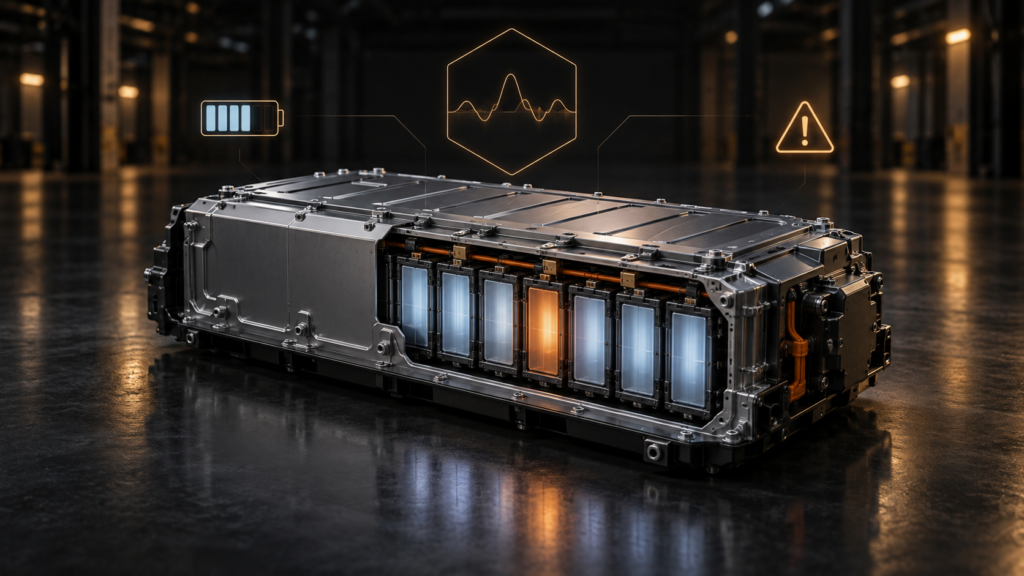

Introduction: Repeat ordering turns battery buying from a series of urgent purchases into a planned supply process. For workshops, parts traders, importers, resellers, and fleet service teams, that means fewer stock gaps and faster service decisions. Hybrid Hive supports this need from Sharjah with bulk-ready, tested hybrid batteries sourced through trusted partners in Japan and held within its UAE supply network. Buyers can request units by model, generation, quantity, and voltage need, then arrange warehouse collection or international shipment.
Key Takeaways
- Repeat orders work best when model demand is tracked each month.
- Clear forecasts help suppliers reserve suitable stock.
- Voltage testing and condition checks should apply to every order.
- Prius, Aqua, Camry, and Lexus RX demand may need separate planning.
- Good order records reduce compatibility errors and delays.
- UAE stock can support local pickup and export preparation.
- Regular reviews keep order volumes tied to real sales and service work.
simple 5-step process
How does a repeat-order battery program work?
A repeat-order program sets a clear routine for checking demand, confirming stock, approving a quotation, and arranging collection or shipment. It gives both buyer and supplier more notice than a one-off urgent request.
The process does not need to be complex. A buyer shares the models and generations it handles, expected quantities, voltage requirements, and preferred order timing. The supplier then checks available inventory and confirms what can be prepared.
Hybrid Hive follows a practical commercial process. The customer sends an inquiry with the required vehicle details and volume. The team checks stock, provides a transparent quotation, and suggests suitable alternatives when the exact request is not available. After payment confirmation, the order can be collected from the Sharjah warehouse or prepared for shipment.
This structure is useful for businesses buying a used hybrid battery more than once. The first order establishes the product need. Later orders can use the same vehicle and purchasing records, with updates for quantity, stock movement, or new customer demand.
Is a repeat program the same as a fixed contract?
No. A repeat program can be a simple purchasing routine without a fixed long-term commitment. The exact commercial terms depend on the quotation and confirmed stock for each order.
Some buyers may send requests every week. Others may place a larger monthly or quarterly order. A fleet maintenance team may buy when service schedules create demand, while a distributor may replenish stock after certain models reach a set minimum level.
The main benefit is consistency. Each request contains the same core information, so the supplier can respond with fewer questions. The buyer also gains a clearer view of what is available and when it can be collected or shipped.
Why is sourcing continuity important for repeat buyers?
Sourcing continuity helps a business maintain access to suitable batteries across several order cycles. It does not mean that every model will always be available, but it creates a more stable route from source to warehouse.
Hybrid Hive sources through trusted partners in Japan, including dismantlers and dealership-related or certified supply channels. Stock often comes from low-mileage vehicles. Units enter the UAE supply network, where they are dual-inspected, voltage-tested, and checked for good condition before being prepared for commercial supply.
This approach matters because repeat buyers need more than a battery that is available once. They need a supplier that can process further requests, check incoming units, keep useful stock, and communicate clearly when demand changes.
According to the Alternative Fuels Data Center, electric-drive vehicle batteries involve different chemistries, designs, and operating needs. For commercial buyers, that reinforces a simple point: vehicle identity and battery requirements must be checked rather than treated as interchangeable.
What should buyers ask about the source of each unit?
Buyers should ask where the stock comes from, what checks take place, and whether the supplier can trace the order back to its intake records. Clear answers make repeat purchasing easier to manage.
A practical sourcing review can cover the following points:
- The country and type of supply channel
- The vehicle model and generation
- The requested voltage requirement
- The inspection and voltage-testing process
- The physical condition check
- The quantity ready for commercial supply
- The planned pickup or shipping method
These questions are especially useful for importers and distributors. They help purchasing teams compare available stock by real business needs rather than relying on a broad product label.
How should businesses plan stock for repeat orders?
Businesses should plan stock by model, generation, sales rate, service demand, and lead-time needs. A short rolling forecast is often more useful than one large annual estimate.
Start with order history. Note which vehicles created the most inquiries, which units sold quickly, and which products stayed in storage. Workshops should also track booked repairs and customer approval rates. Fleet teams can review expected maintenance work by vehicle group.
Once this information is clear, set a minimum quantity for each fast-moving item. When stock reaches that level, prepare the next request. The minimum should reflect demand and the time needed for availability checks, quotation approval, payment, collection, or shipping.
What does a simple repeat-order plan show?
A simple plan shows how different business buyers can connect demand signals to order timing. It also helps staff decide what information to review before contacting the supplier.
| Buyer type | Main demand signal | Useful review cycle | Order focus |
|---|---|---|---|
| Automotive workshop | Booked repairs and recent inquiries | Weekly | Common local models and urgent replacements |
| Parts distributor | Sales by model and remaining stock | Weekly or monthly | Fast-moving items and reseller demand |
| Importer | Confirmed customer orders and shipping plans | Per shipment cycle | Bulk quantities and export preparation |
| Fleet service team | Vehicle list and planned maintenance | Monthly or quarterly | Known fleet models and service timing |
| Reseller | Customer requests and stock turnover | Weekly | Popular models and manageable quantities |
This table is a planning guide, not a rigid schedule. A business with rapid stock movement may review demand more often. In contrast, a buyer serving a narrow group of vehicles may need less frequent but more focused orders.
For a fuller view of the commercial process, buyers can review this guide to how wholesale hybrid battery supply works. It explains the steps that connect an initial request with stock confirmation and fulfillment.
Which vehicle models need the closest demand tracking?
Models with frequent workshop visits, strong resale activity, or steady parts demand deserve the closest tracking. Hybrid Hive places particular focus on Toyota Prius, Toyota Aqua or Yaris, Toyota Camry, and Lexus RX Hybrid applications.
Demand should still be measured by the buyer’s own market. A model that moves quickly for one exporter may sell more slowly for a local workshop. Fleet mix also matters. A maintenance team with many vehicles from one generation will have a different need from a trader serving several countries.
Industry reporting from AftermarketNews has described demand shifts toward used vehicles and hybrids. Such shifts can affect the replacement parts market, so buyers should review actual inquiry and sales records instead of assuming last year’s product mix will remain the same.
Why does Prius stock often need its own plan?
Prius demand can justify separate stock tracking because it is a major model within the used hybrid parts market. Buyers should record the generation and required unit details rather than group every Prius request together.
A useful record shows how many inquiries came in, how many became orders, and which generations were requested. This makes the next forecast more accurate. Businesses that serve several markets should keep local and export demand in separate columns.
Further context is available in Hybrid Hive’s review of why Prius battery stock moves quickly. That model-specific view can help purchasing teams decide when a general inventory list needs a separate Prius category.
Should slower-moving models be removed from the order plan?
Not always. Slower items can still be valuable when they support a regular fleet, a specialist workshop, or an established reseller customer.
However, they should not receive the same volume as fast-moving stock without evidence. Mark these products as request-led, low-volume, or reserved for confirmed orders. This helps protect warehouse space and purchasing funds while keeping the business able to serve less common applications.
Why do testing and condition checks matter on every cycle?
Testing and condition checks help buyers assess each incoming batch instead of relying on the result of an earlier order. Repeat purchasing should never replace current inspection.
Hybrid Hive checks stock through a dual-inspection process, voltage testing, and a good-condition review. These steps support a more consistent supply process for workshops and traders buying used hybrid batteries.
For buyers, consistent checking also makes internal handling easier. Staff know what records to request. Workshop teams can match the received unit to the job. Distributors can sort stock by model and generation before offering it to trade customers.
The phrase used hybrid battery life is common in buyer searches, but no single answer suits every unit. Condition, prior service, vehicle use, storage, and the specific battery can all matter. A commercial buyer should therefore focus on the confirmed checks and supplied order information, rather than assume that age alone proves remaining performance.
Can buyers test batteries at the UAE warehouse?
Yes. Hybrid Hive states that batteries can be tested at the warehouse, which gives buyers another way to review units before collection.
Warehouse testing can be useful for local distributors, workshops, and fleet teams collecting stock in Sharjah. Export buyers may instead depend on the supplier’s inspection and test process before shipment. In both cases, the requested model, generation, quantity, and voltage need should appear clearly on the order record.
What information should every repeat request include?
Every request should include the vehicle model, generation, quantity, voltage requirement, and fulfillment method. Adding previous order references and preferred timing can speed up communication.
A phrase such as used hybrid batteries near me may help a buyer find nearby stock, but location alone does not answer the key trade questions. A useful supplier request must also cover compatibility, condition checks, volume, availability, and whether the order is for pickup or export.
What should a repeat-order request form show?
A repeat-order form should show enough detail for the supplier to check stock and prepare an accurate quotation. The table below lists the main fields and why they matter.
| Request field | What the buyer should provide | Why it matters |
|---|---|---|
| Vehicle details | Make, model, and generation | Supports a correct stock check |
| Battery need | Required voltage information | Clarifies the requested unit |
| Quantity | Units needed now and possible later volume | Helps with current and future stock planning |
| Timing | Preferred collection or dispatch date | Sets a clear fulfillment target |
| Delivery method | Sharjah warehouse pickup or shipment | Guides order preparation |
| Previous reference | Earlier quotation or order details | Reduces repeated questions |
| Alternative need | Whether another suitable unit may be considered | Helps when exact stock is limited |
Good records also support staff changes. If a different employee handles the next purchase, the company does not need to rebuild the request from memory. The order history shows what was bought, when it was supplied, and which vehicle details were used.
How can workshops reduce urgent battery shortages?
Workshops can reduce shortages by setting reorder points, reviewing booked jobs, and asking for availability before stock reaches zero. A small planning habit can prevent a repair bay from waiting on an avoidable parts search.
Start by grouping work into confirmed jobs, likely jobs, and general stock. Confirmed jobs need the closest attention. Likely jobs can guide the next request, while general stock should reflect repeated demand rather than guesswork.
It also helps to separate inventory that is ready for sale from stock already assigned to a customer. Without that distinction, a system may show one available unit even though staff have reserved it for an approved repair.
Workshops purchasing used automotive batteries can send a short rolling list to Hybrid Hive. That list may include units needed now, expected requirements for the next period, and models that often create urgent calls.
How should fleet teams plan repeat supply?
Fleet teams should connect battery purchasing with the vehicle register and planned maintenance calendar. This gives the buyer a clearer reason for each requested quantity.
Record the model and generation of each hybrid vehicle in service. Then note upcoming workshop dates, current repair findings, and any units already held in stock. This does not predict every failure. It simply gives the maintenance team better visibility.
A cost-conscious fleet should also avoid buying large amounts without a clear use case. The aim is steady access, not excess stock. Regular reviews can keep purchasing close to actual fleet needs.
How does UAE stock support importers and exporters?
UAE-based inventory gives commercial buyers a clear point for availability checks, warehouse pickup, order preparation, and international shipment support. Sharjah also serves as Hybrid Hive’s operating base for these activities.
Importers should share destination and order needs early. This allows the supplier to confirm what stock is ready and prepare the quotation around the requested quantity. Shipment takes place after payment confirmation, while local buyers can arrange warehouse collection.
Export readiness is not only about moving goods. The order must first be correct. Model details, generation, quantity, voltage requirement, and receiving plan should all be confirmed before preparation.
What proof points support supplier confidence?
Useful proof points include supply volume, bulk-order experience, review signals, and a clear fulfillment process. They help buyers judge whether a supplier works with recurring commercial demand.
Hybrid Hive reports more than 20,000 batteries supplied or processed and support for more than 300 bulk orders. Its website also shows a 4.9 positive review signal. These figures sit alongside a process based on fast availability confirmation, transparent quotations, and dependable order fulfillment.
Such markers do not remove the need to check each quotation. However, they give workshops, importers, and distributors context when selecting a supplier for ongoing orders rather than a single purchase.
How can reuse support both performance and sustainability?
Practical reuse can keep suitable automotive components in service while meeting a real repair or supply need. For business buyers, sustainability works best when it comes with testing, correct matching, and reliable stock handling.
A second-life product should not be treated as a vague environmental claim. Its commercial value comes from condition, suitability, and the ability to support the vehicle application requested. Proper checks are therefore central to both performance and responsible reuse.
For traders and service teams, purchasing tested used car batteries also supports a more circular approach to automotive parts. Yet the buying decision should remain grounded in model compatibility, inspection, voltage testing, and confirmed condition.
Summary
Repeat battery orders work well when the buyer and supplier share clear records, realistic demand forecasts, and a consistent request process. Workshops can use booked repairs and minimum stock levels. Distributors can track sales by model. Importers can plan around shipment cycles, while fleet teams can connect requests to vehicle and maintenance records.
Hybrid Hive supports this process as a wholesale supplier based in Sharjah. Its service covers Japan-sourced stock, dual inspection, voltage testing, good-condition checks, bulk-ready UAE inventory, warehouse pickup, and international shipment support. Businesses that need ongoing access to tested hybrid batteries can submit model, generation, quantity, and voltage details for an availability check and quotation.
Frequently Asked Questions
Find answers to common questions about our hybrid battery supply, ordering process, and delivery options.
Yes. A workshop can send repeat requests based on booked repairs, stock movement, and expected demand. Availability, quantity, timing, and price can then be confirmed through each quotation.
Provide the vehicle make, model, generation, required quantity, and voltage requirement. It also helps to include a previous quotation or order reference and the preferred pickup or shipment date.
Hybrid Hive states that its units go through dual inspection, voltage testing, and a good-condition check. Buyers can also ask about warehouse testing when arranging collection in Sharjah.
Yes. Hybrid Hive supports international shipment as well as UAE warehouse pickup. Export buyers should confirm destination needs, quantities, model details, and timing during the quotation process.
The review cycle should match stock movement. A busy workshop or distributor may review needs weekly, while a fleet or importer may use a monthly, quarterly, or shipment-based schedule.